Community Engagement at the Board

Community Engagement is fundamental to Board decision-making. While the Board often engages with many of the same community partners as the Service, it builds and maintains relationships independently. Within the Board’s mandate, the insights we gather inform governance direction, not operational decision‑making, ensuring that community voices shape civilian oversight in a meaningful and impartial way. These relationships strengthen the Board’s ability to set expectations, develop policy, and hold the Service accountable in ways that reflect the needs and values of Toronto’s diverse communities.
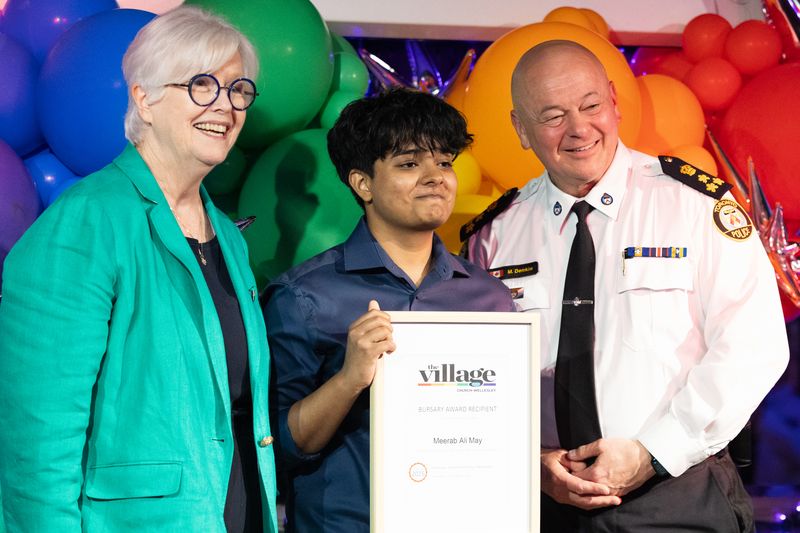
Board Staff play a vital role in supporting the Board’s engagement efforts by engaging a diverse range of community members, community organizations, frontline staff, and more. Board Staff keep Members informed on matters that impact the community we are mandated to serve. 

Listening, and understanding the concerns and needs of Toronto residents and community partners assures that the Board is responsive where mandated. Engagement ensures that safety strategies, such as the Board’s Strategic Plan, are not only effective but are also legitimate and trusted. Aligning with the Community Safety and Policing Act, the Board reinforces its responsibility to foster safe, inclusive, and resilient communities through shared dialogue and collaborative action. 

Board Advisory Bodies

The Toronto Police Service Board (the Board) has three (3) formalized advisory bodies, which include: the Mental Health & Addictions Advisory Panel (MHAAP), the Anti-Racism Advisory Panel (ARAP), and the Jewish Community Advisory Table

The Board works with its advisory panels and table to bring community insights directly into its policy, especially on issues like racism, mental health, and public trust. These Board functions are designed to formally influence how policies are shaped, monitored, and improved by both those most impacted, and those supporting impacted individuals respective to the advisory’s mandate. 

Learn more about the Board’s Advisory Bodies by clicking the following: 

Memorandum of Understanding with Midaynta Community Services

Mending a Crack in the Sky (MCIS) initiative comprises a group of mothers, many of them survivors of acute trauma, who organized a dynamic program to provide immediate support to youth and families impacted by gun violence. MCIS is organized under Midaynta Community Services as a leader in transformative community change, activism, and outreach.

At the July 2019 Board meeting, mothers from the MCIS initiative presented to the Board, outlining the challenges that the Somali-Canadian community in the north-west part of the City is facing. Importantly, they also presented opportunities for the Board, Service and MCIS to be able to work together in an effort to build trust and address these challenges. 

 At the conclusion of the presentation, the Board approved the following motion:

THAT the Board receive the presentation and direct staff and appropriate members of the ARAP and MHAAP to work with the Somali Mothers Movement (Midaynta Community Services) to pursue opportunities for partnership with a view to establishing an MOU (Memorandum of Understanding) and to bring it for approval at the September Board Meeting.

Following this Board direction, Board Staff began to work with the mothers from the MCIS initiative to better understand and synthesize what the mothers were looking to have addressed through the MOU.

Ways to Engage the Board

The Toronto Police Service Board is profoundly grateful to everyone who takes the time to engage with us. Whether you share your lived experiences, raise concerns, offer ideas, or participate in community conversations, your voice matters. These exchanges shape our understanding and strengthen our work. 

One way to speak to the Board is to depute at a Board meeting. Please visit the Board’s deputation page to learn how to depute. 

Join our engagement mailing list to stay updated on new ways to connect with the Board!